
SERVICES
The practical work inside a travel service.
Each service discipline addresses a different part of the product: supplier data, customer decisions, localization, and day-to-day operating work.

Service disciplines
Global API Integration
Model supplier APIs for the product you need.
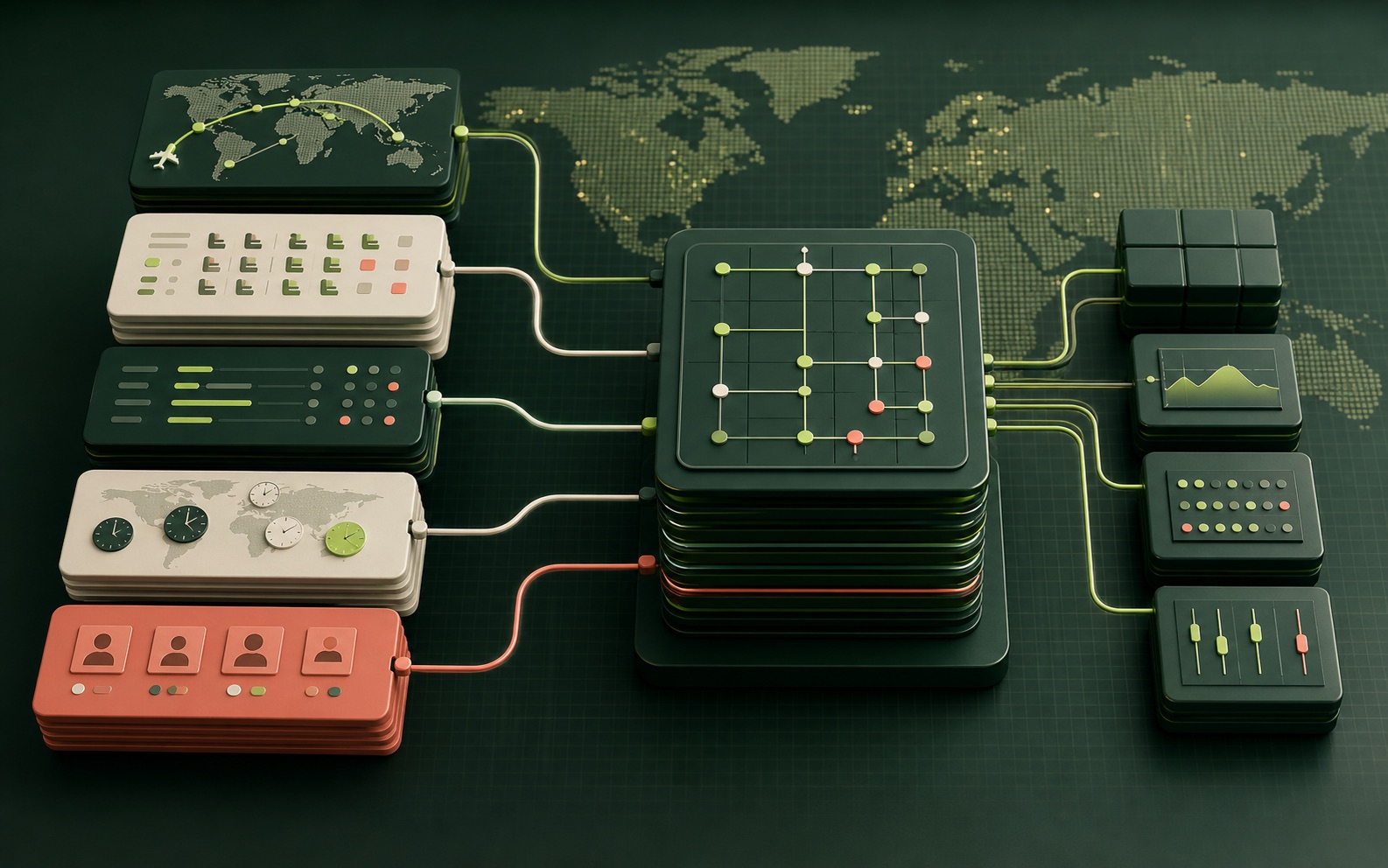
International supplier APIs differ in authentication, rate limits, response shape, reservation state, and error policy. Fields that look familiar can carry different meanings and refresh at different times. SORADA defines the product, availability, price, and booking state a service needs before exposing a response. We make the gap between supplier and service models explicit, including failure, retry, and pending-confirmation states.
Travel Data Architecture
Keep changing travel data consistent across the product.
Itineraries, prices, conditions, seats, and multilingual descriptions all change on different schedules. When source data moves, a service must decide what to refresh and what record a booked customer needs to retain. SORADA separates product structure, condition ownership, price evidence, and content responsibility so search, detail, confirmation, and administration do not tell conflicting stories.

Booking & Ticketing UX
Put relevant information where a decision is made.
There are several decisions between a search result and a committed reservation. Schedule differences, the meaning of a seat, included conditions, and change rules do not carry equal weight for a traveller. We study where people pause and what they need to check again, then shape the order of selection, review, input, and confirmation. A completed booking is also the beginning of later reassurance and support.
Korean Localization
Put travel information in the order customers need it.
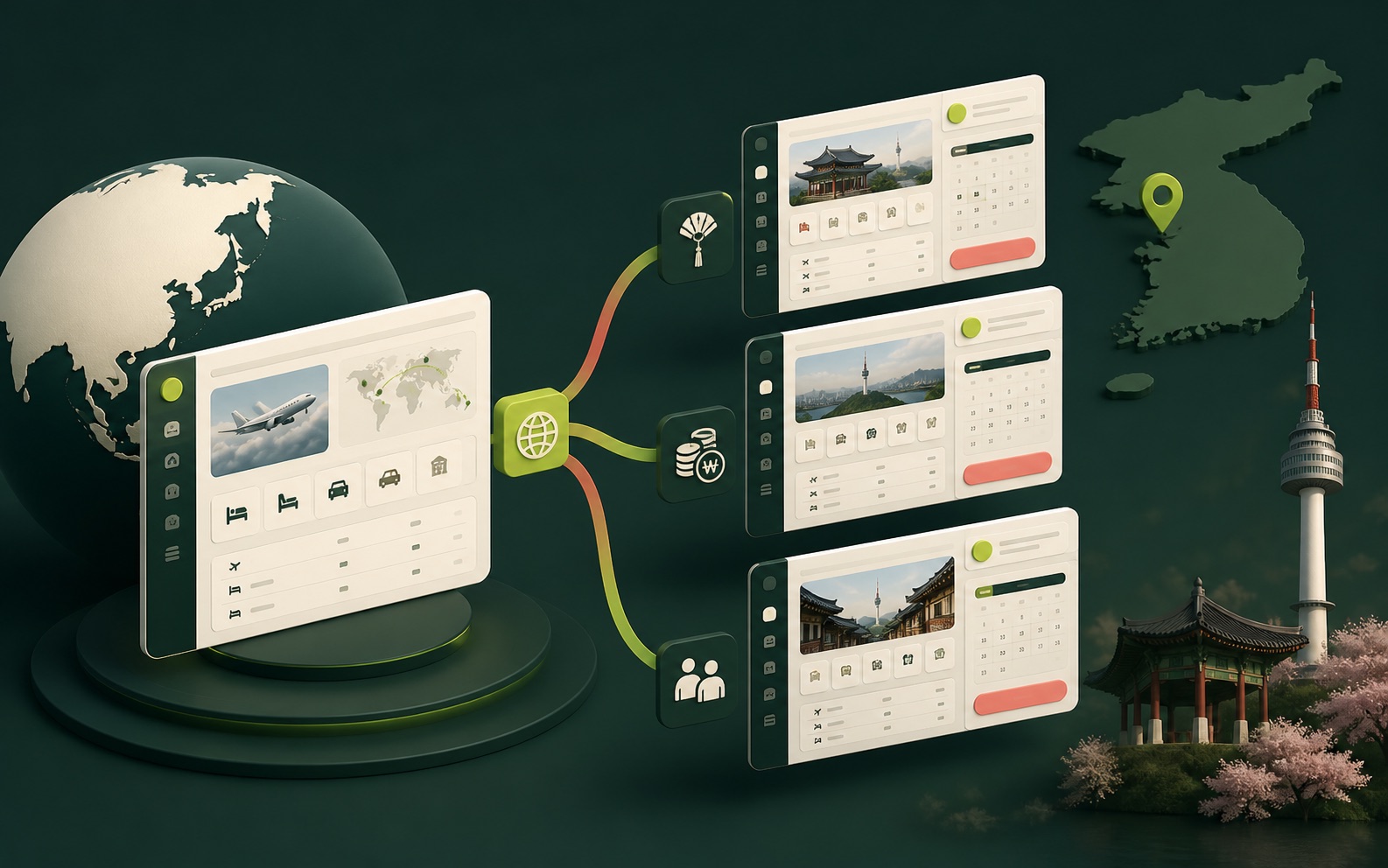
An overseas travel term or rule does not become familiar through direct translation. Korean customers may need to assess time notation, station names, fare conditions, seat rules, and refunds in a different order. SORADA treats localization as the placement of explanation before a purchasing decision, which makes it a product and interface concern as much as a content task.
Admin & Operations
Give operating teams the context to act.
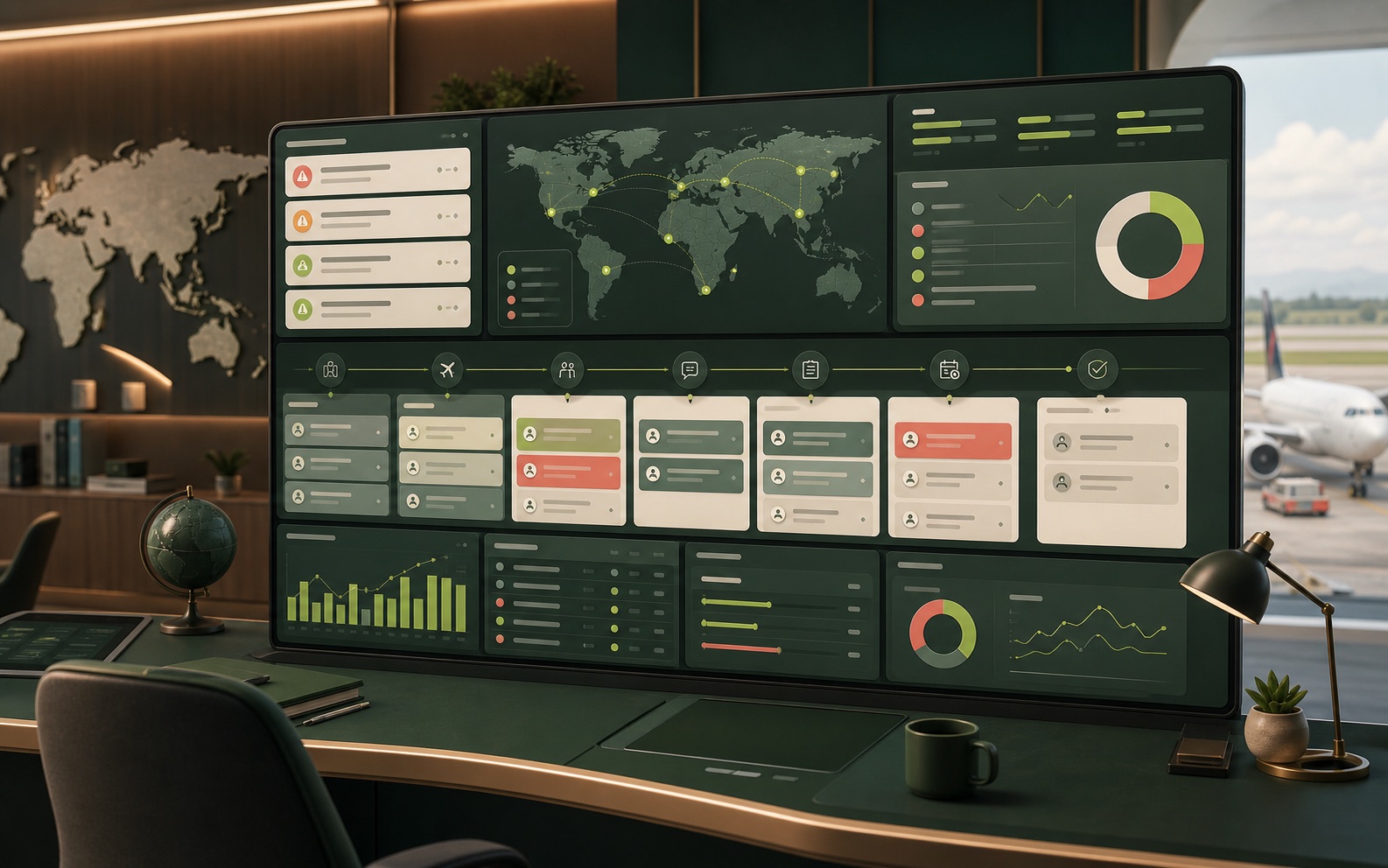
Product management, content changes, reservation states, change requests, and customer response are linked work. If a team must guess across source data and customer-facing information, service slows down. SORADA designs operating views that surface state, evidence, and next action together, allowing exceptions and change management to live in regular work.