
PROCESS

Release is a milestone, not the last handoff.

It sets out what is checked, which criteria are left behind, and what the next stage needs to receive.

01Discovery

Discovery

Establish the problem before choosing a solution.

We examine supplier conditions, product rules, customer questions and the work an operating team carries. Rather than rush toward a polished answer, this stage leaves visible assumptions and a clear decision boundary.
02Product Structure

Product Structure

Give information and interfaces a role.

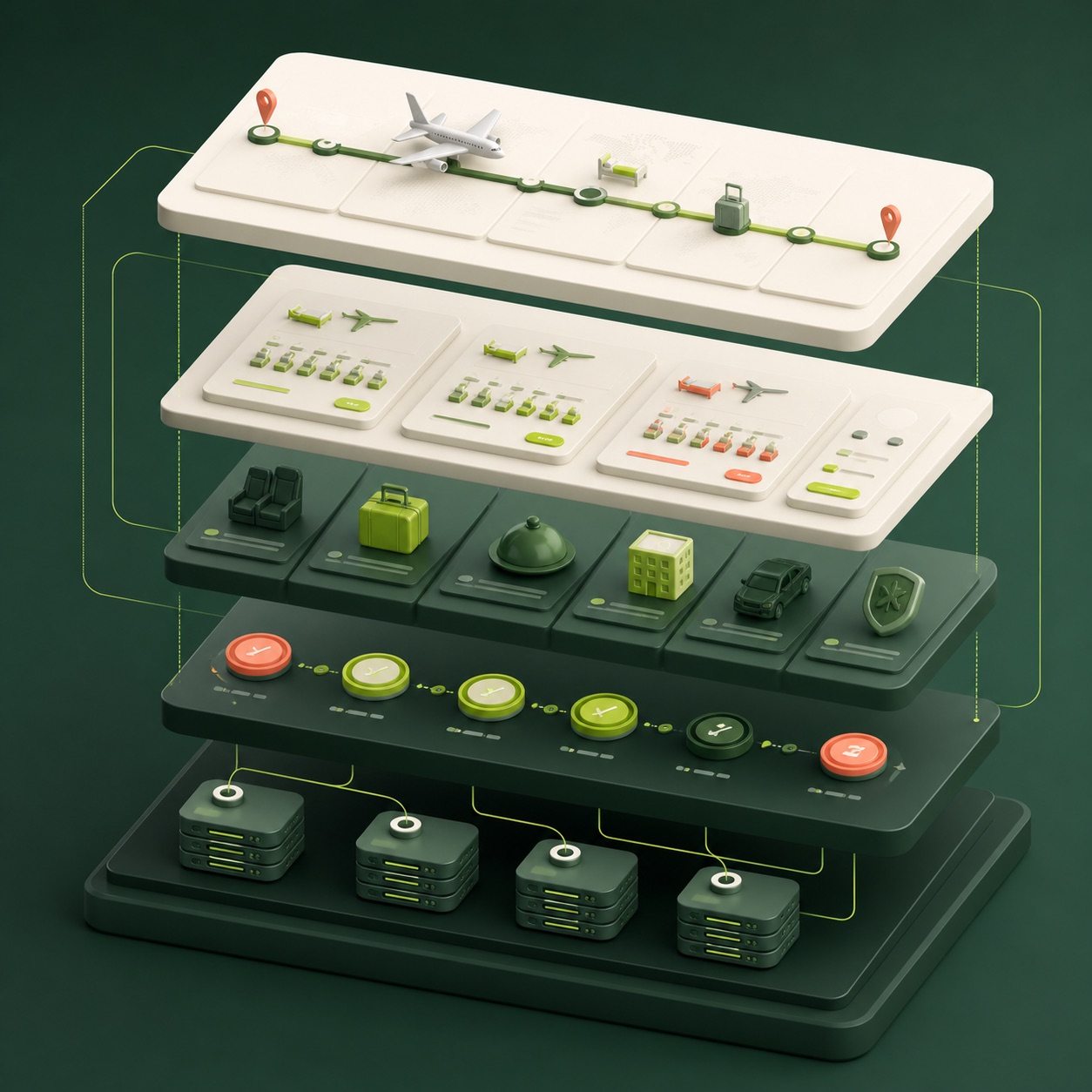
We decide the order in which a customer sees information and chooses, alongside the states an operating team must inspect. The relationship between product, reservation and content is established before a screen inventory.

03API / Data Design

API / Data Design

Manage source-data differences inside the product.

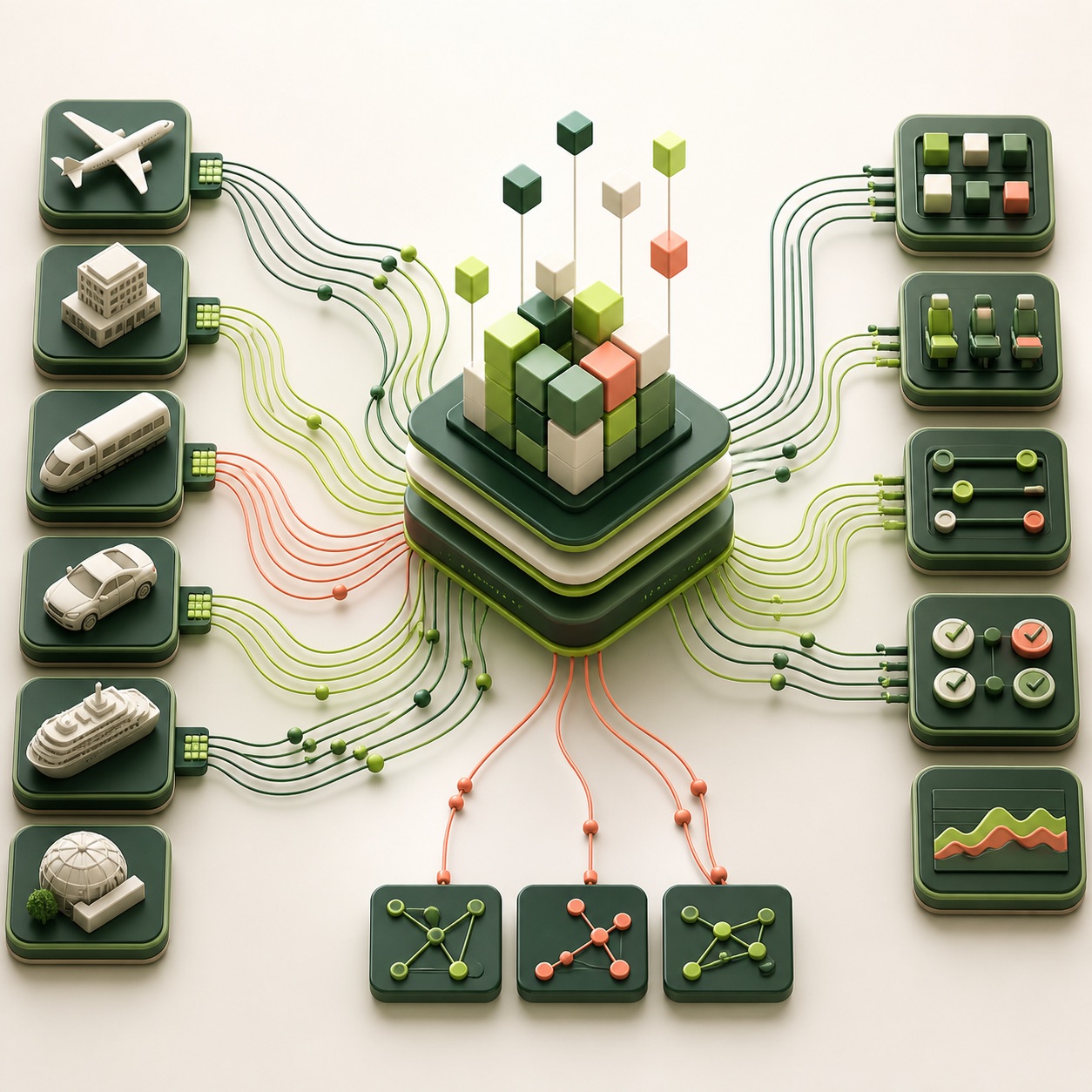
We clarify response meaning, refresh ownership, booking state and error policy. Instead of mirroring a supplier model, we establish the service data model the product must maintain.

04Booking UX

Booking UX

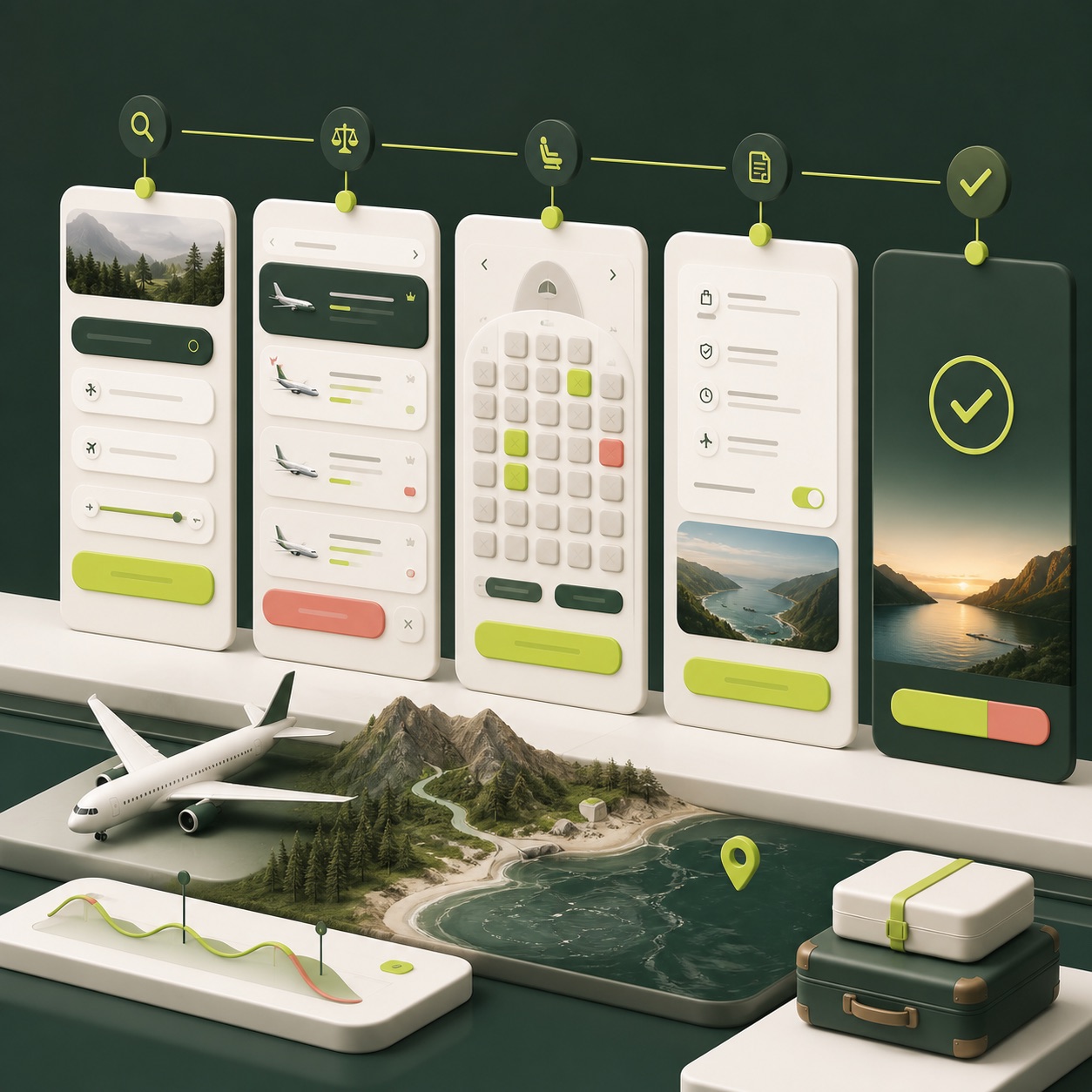
Create interfaces that support a booking decision.

We design where and how schedules, seats, prices and conditions need to be assessed. Input and confirmation screens are reviewed through the lens of the customer’s next question.

05Localization

Localization

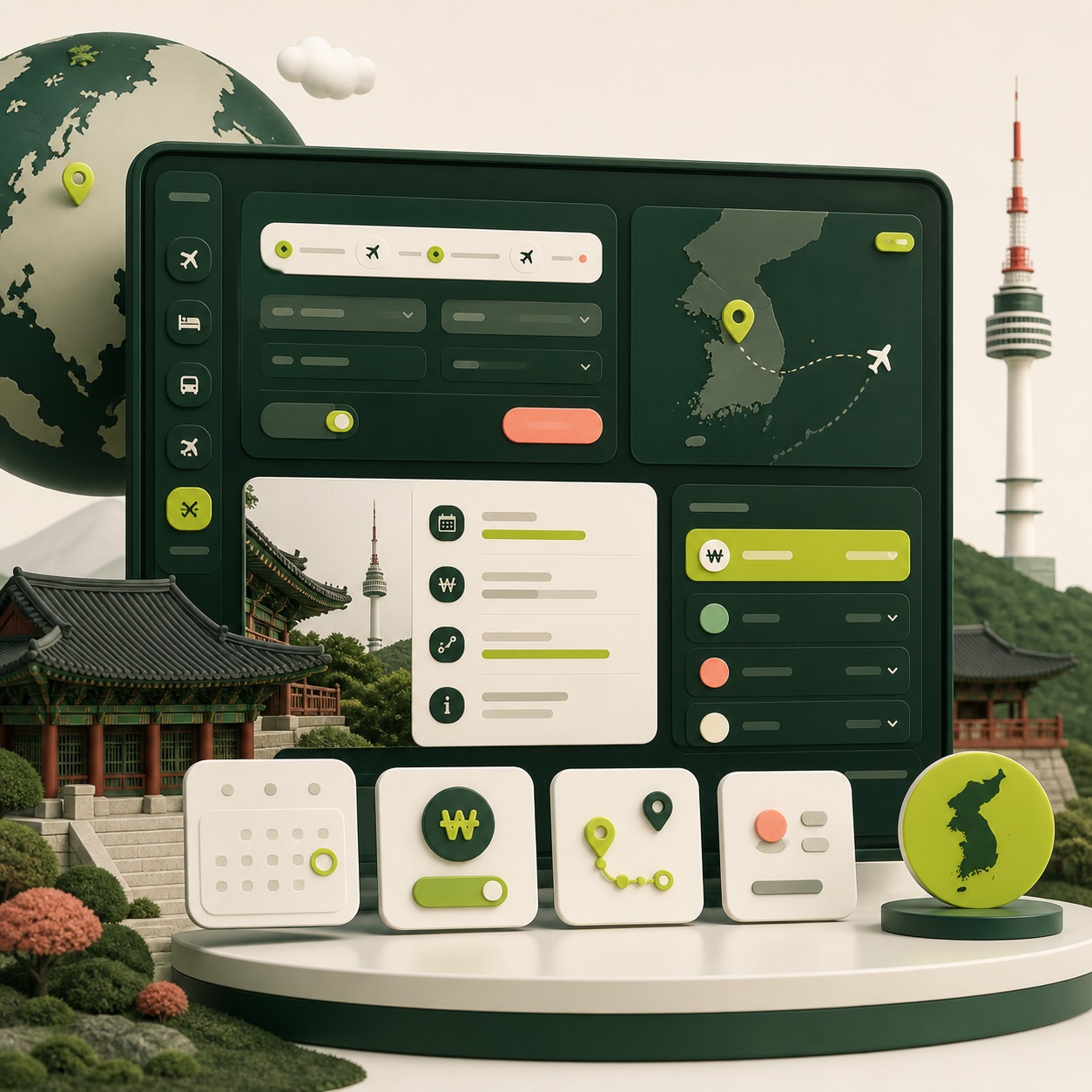
Work with the customer’s decision context.

This is the process of placing overseas product explanation and notation where it helps a purchase decision.

06Build / Launch

Build / Launch

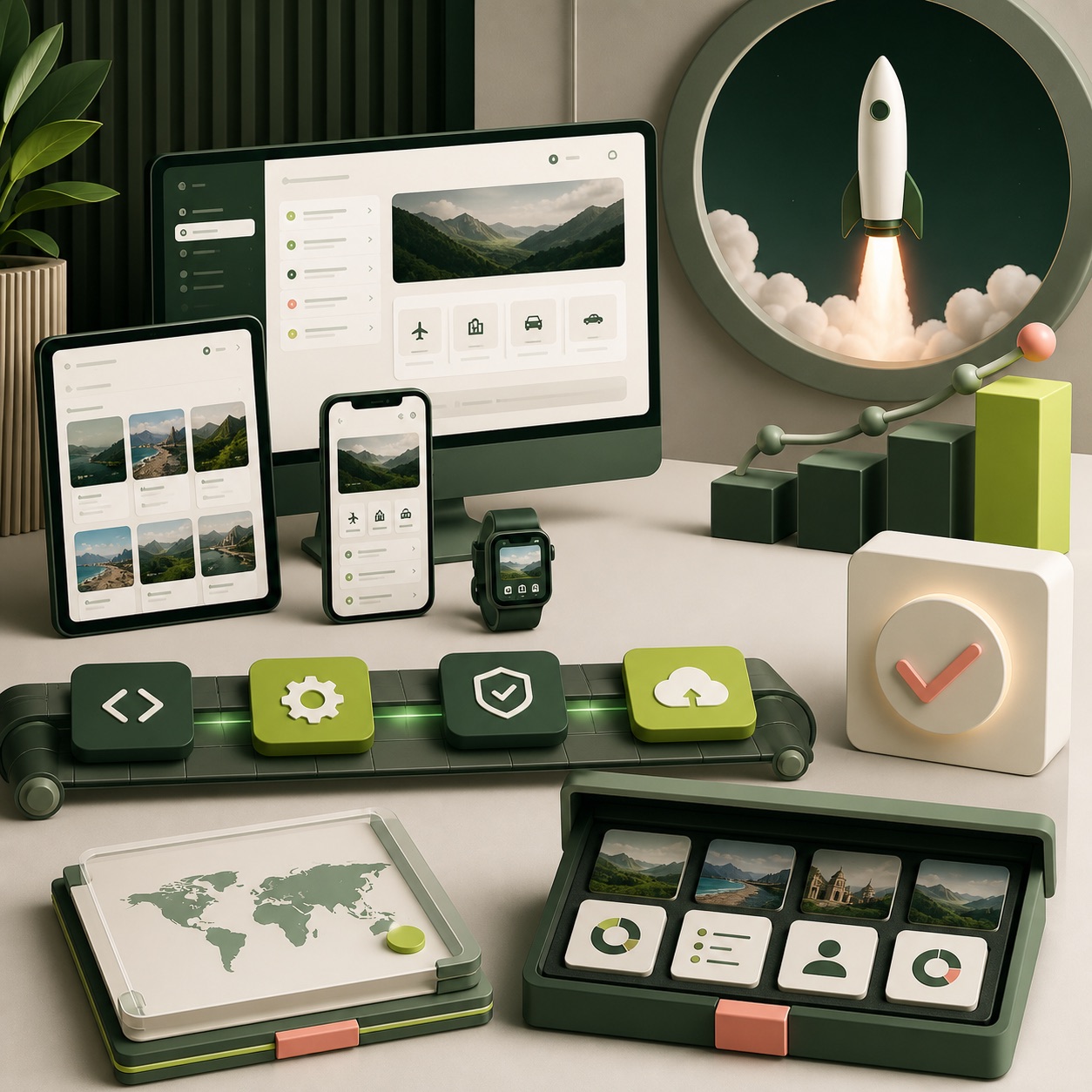
Make sure the team sees the same state before release.

Implementation results and operating handover criteria are checked together. A release carries more than a feature: it includes what to check and how a team will respond.

07Operations

Operations

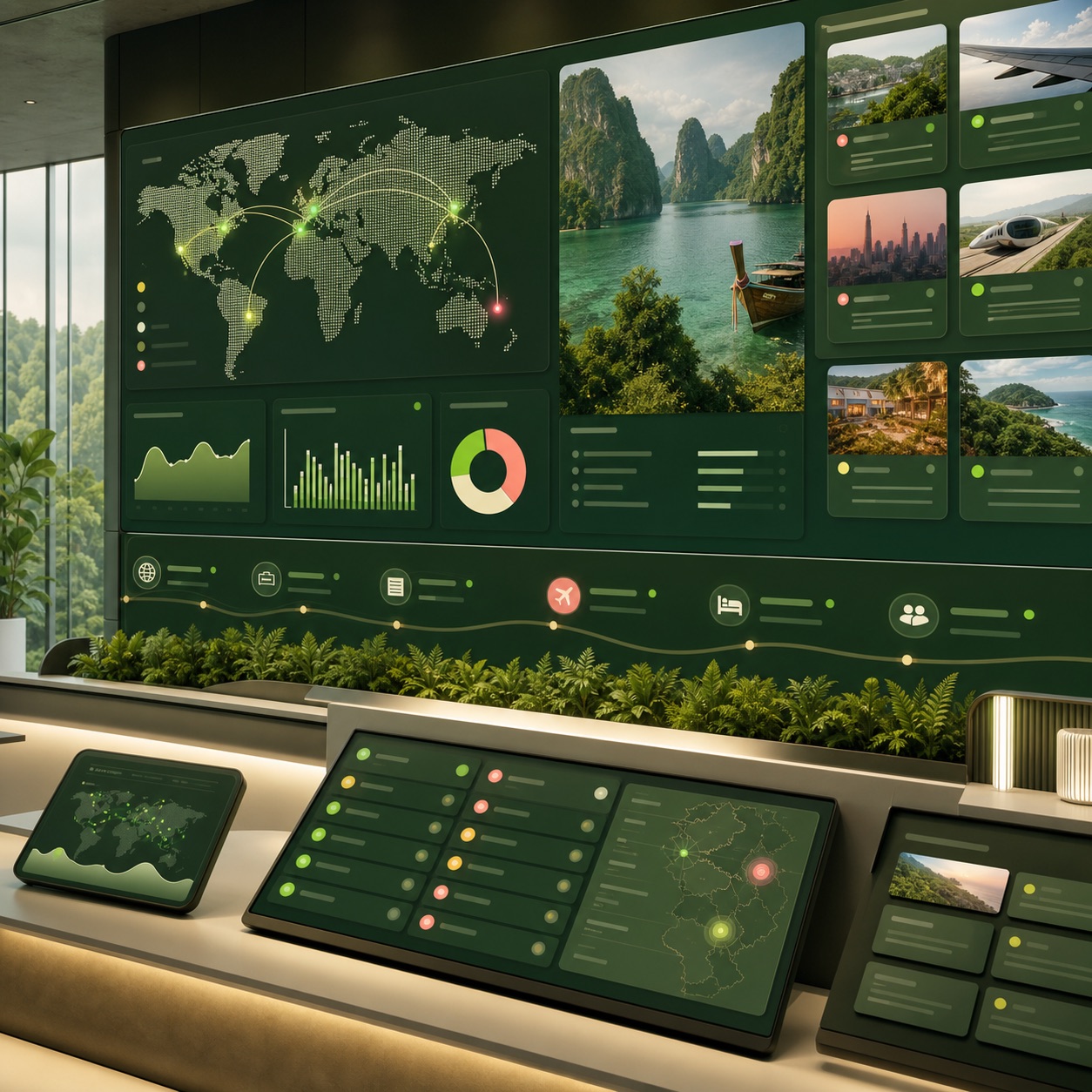
Use operational questions to guide the next iteration.

We record signals found in change requests, reservation exceptions and content updates. That record informs priorities for the next capability and revisits product structure where needed.